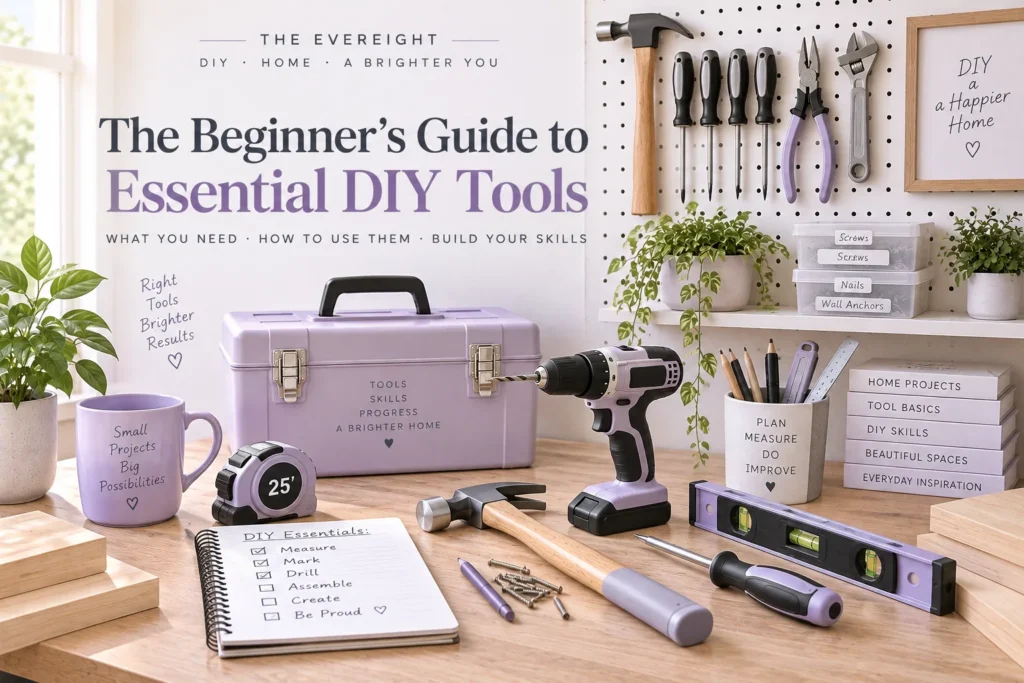
The Beginner’s Guide to Essential DIY Tools
Starting DIY does not require owning a garage full of tools. It requires a small group of reliable tools that match the projects you actually plan to do.

Starting DIY does not require owning a garage full of tools. It requires a small group of reliable tools that match the projects you actually plan to do.
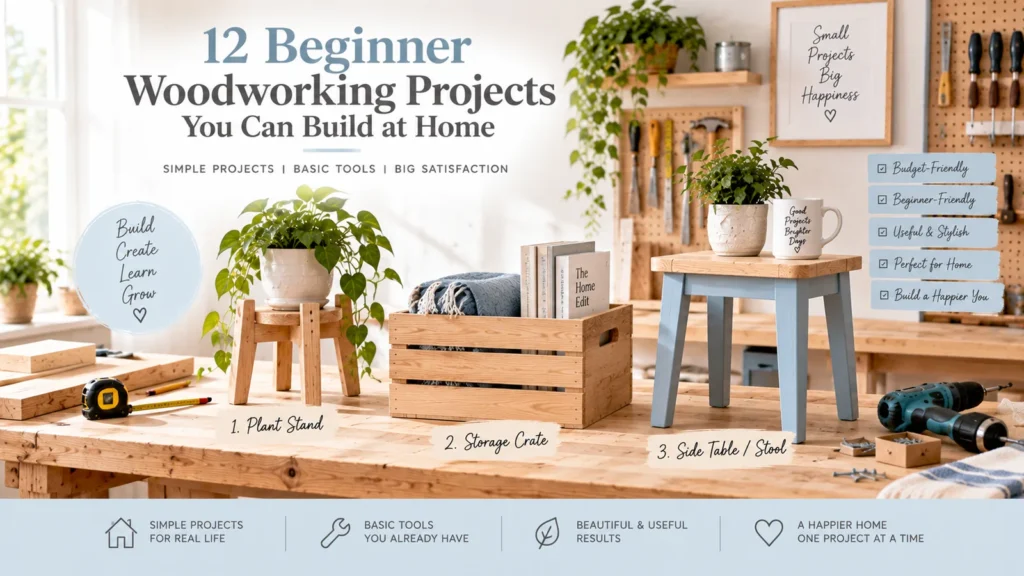
Beginner woodworking is easiest to learn through small projects that repeat a few core skills: measuring, marking, making controlled cuts, drilling pilot holes, fastening, sanding, and finishing.
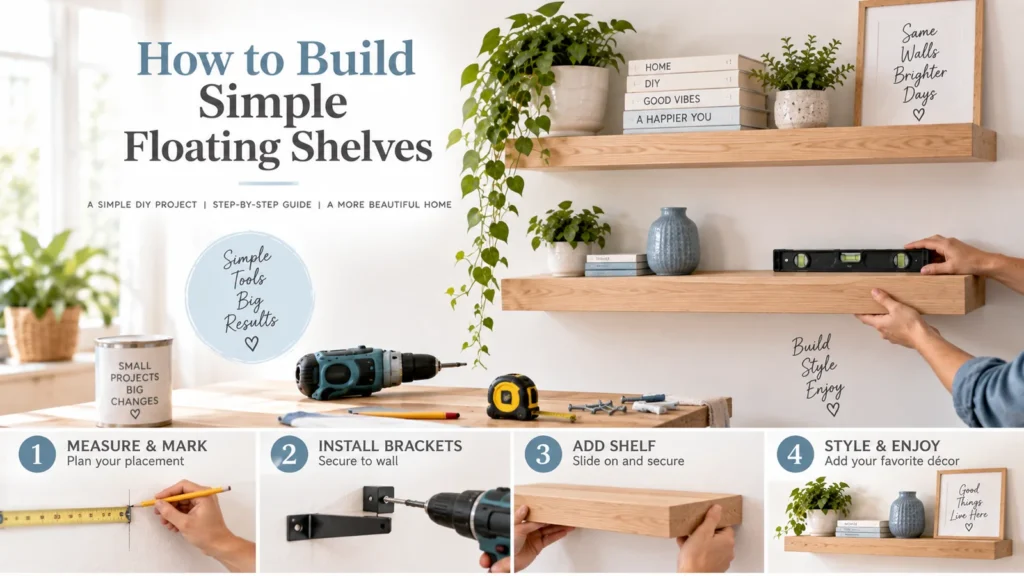
Floating shelves look simple because the support hardware is hidden. That hidden support is exactly why the project deserves more planning than an ordinary decorative board.
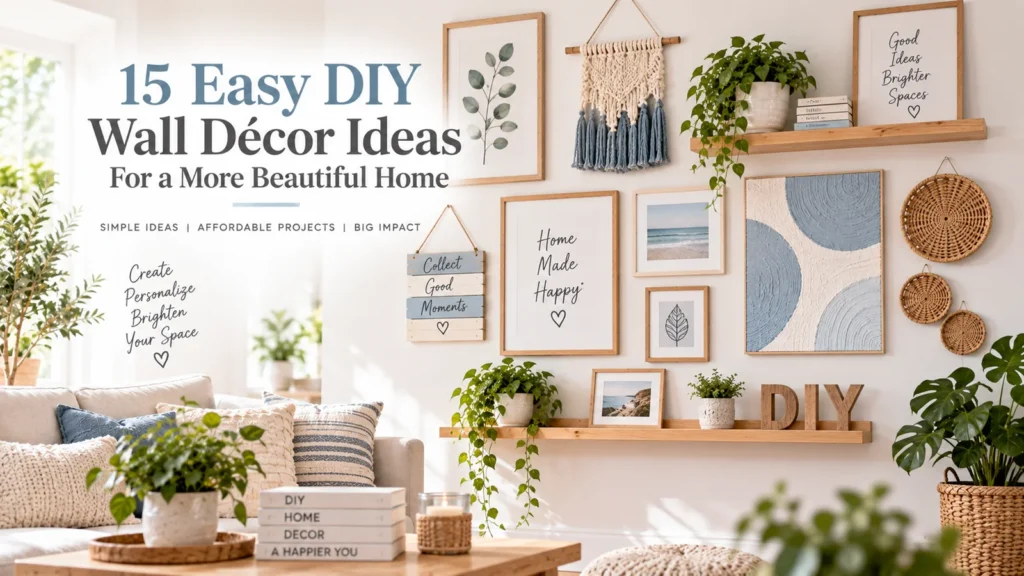
A blank wall does not always need more objects. Sometimes it needs one strong piece, a deliberate group, or simply enough empty space around furniture.
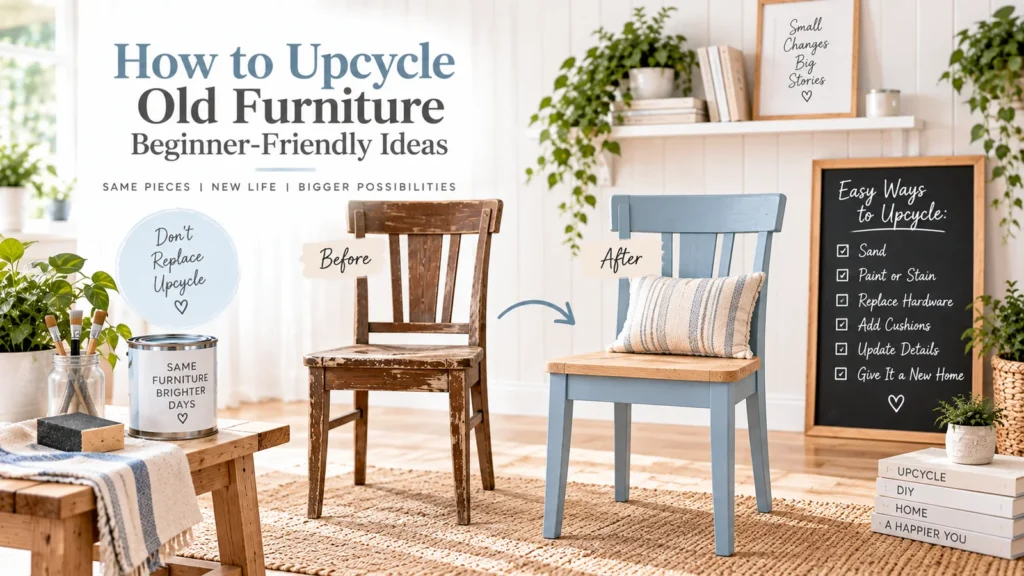
Upcycled furniture looks intentional when the design decisions make sense for the piece.
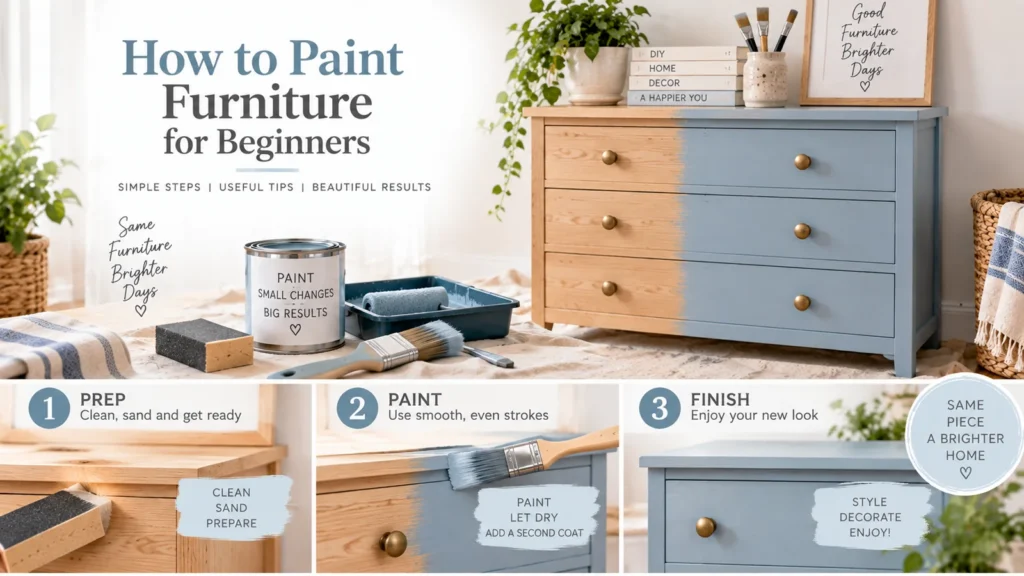
Painting furniture can be one of the most approachable ways to learn DIY finishing. A small table or ordinary dresser can teach surface preparation, careful application, drying time, and patience without requiring major construction.
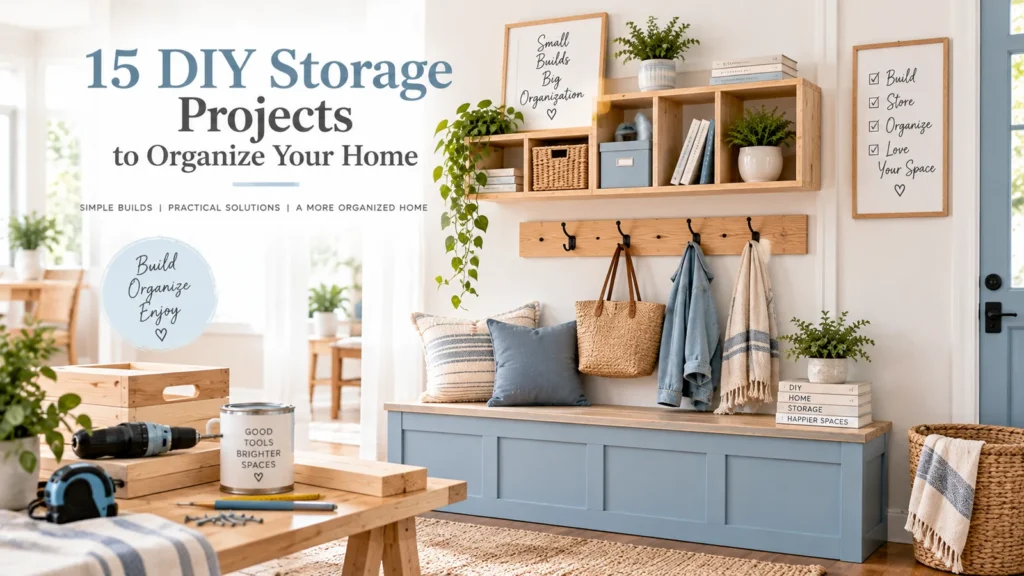
DIY storage works best when it is designed around a specific category.
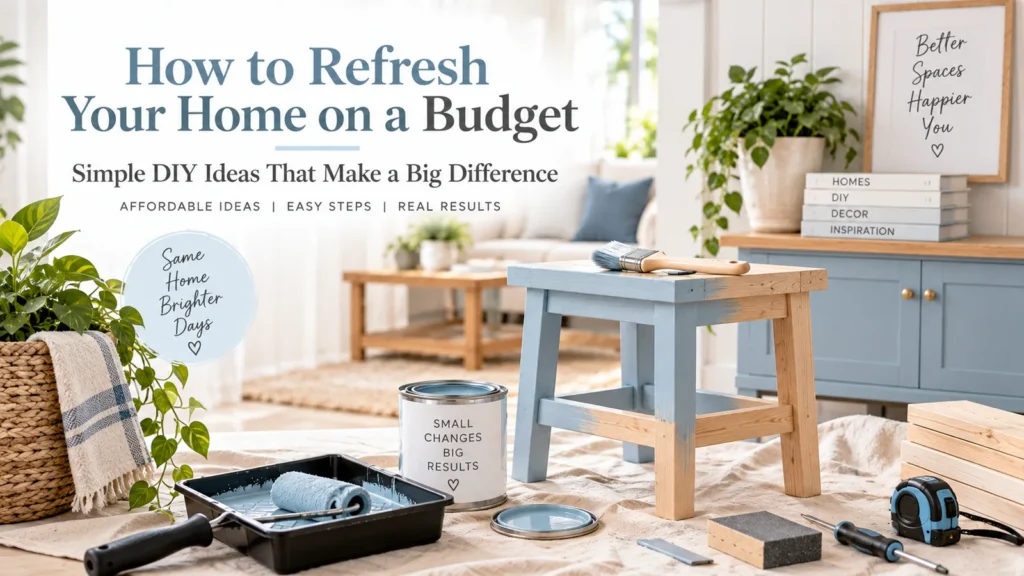
A noticeable home update does not always require new furniture or renovation.
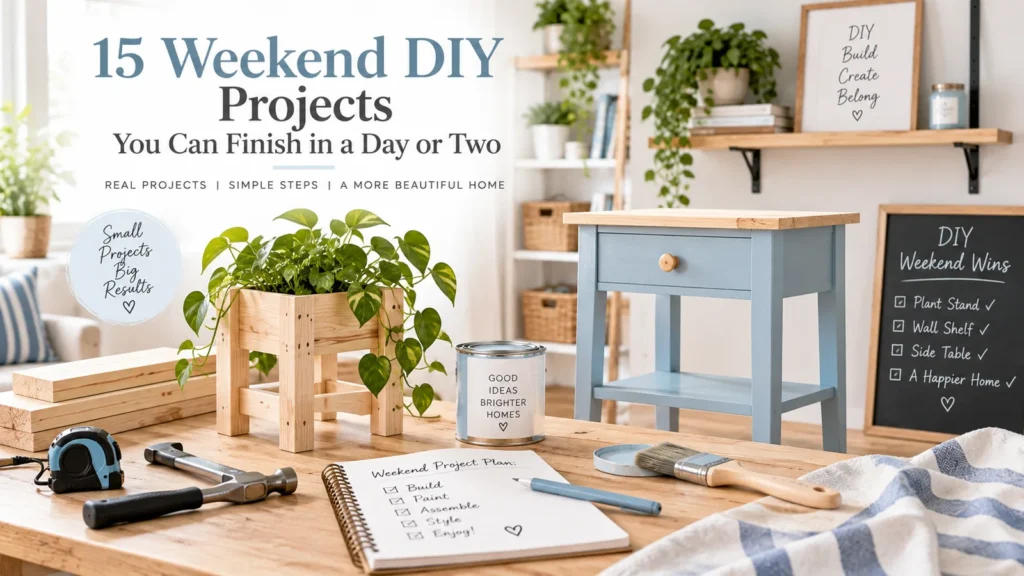
A good weekend DIY project fits the weekend.
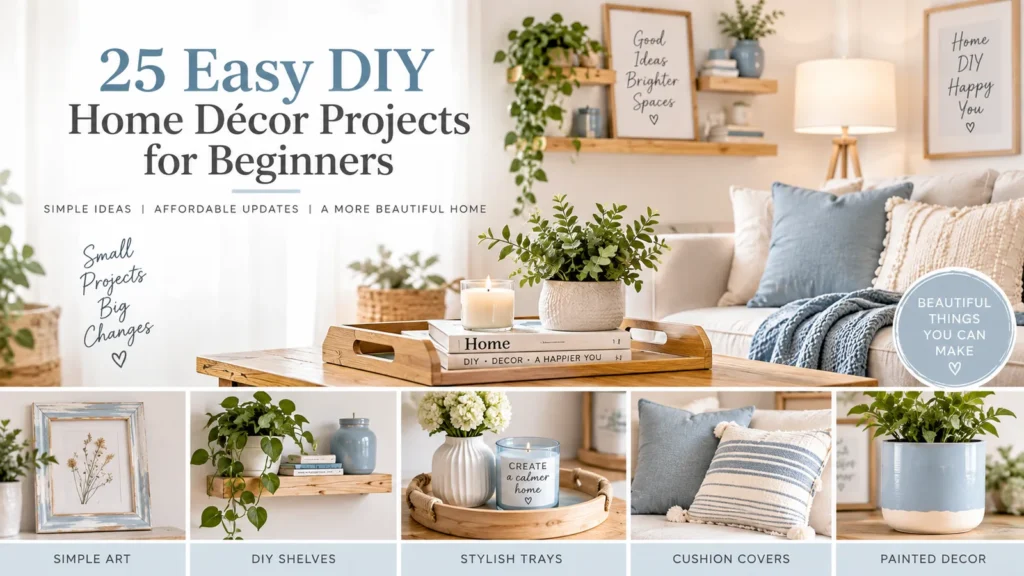
Beginner DIY décor should make a room feel more personal without requiring advanced woodworking, major renovations, or expensive equipment.